
OEM Hyundai Radiators
Hyundai radiators help keep your engine at a safe operating temperature by releasing heat from engine coolant. A damaged or clogged radiator can cause coolant leaks, overheating, and expensive engine repairs. Genuine Hyundai OEM radiators are designed for specific engines and vehicle configurations. Before ordering, confirm your model year, engine, transmission, and VIN to find the correct replacement.
Keep Your Hyundai Engine Cool with Genuine OEM Radiators
Your Hyundai radiator is an important part of the cooling system. It uses aluminum fins and tubes to release heat from hot engine coolant before the coolant returns to the engine. This process helps prevent overheating during commuting, highway driving, and stop-and-go traffic.
Over time, radiators can develop leaks, corrosion, damaged fins, or internal restrictions. Hyundai Wholesale Direct offers genuine OEM radiators and related cooling components for vehicles such as the Elantra, Sonata, Tucson, Santa Fe, Kona, Accent, and Veloster.
What This Category Includes
- Genuine Hyundai engine radiator assemblies
- OEM radiators for automatic and manual transmission applications
- Radiator hoses, clamps, and coolant connectors
- Radiator caps, mounts, and support brackets
- Cooling fans, shrouds, and related components
- Radiator replacement hardware and seals


Radiator

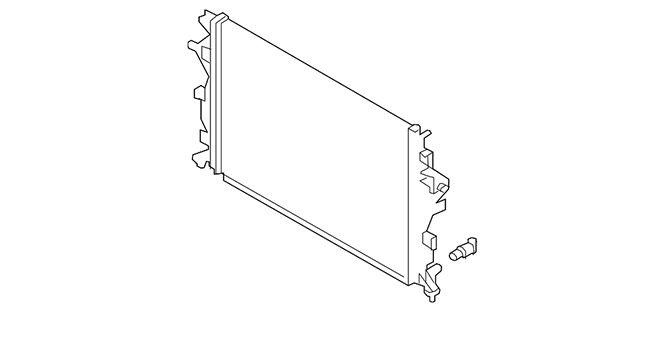
Radiator


No results found for "Radiator". Here are some helpful search tips:
- Search by a part name. Example: water pump.
- Be less specific. Example: brake instead of ceramic brake.
- Remove information such as make, year or model.
- Can't find the part you are looking for? Contact us and we'll find it for you!
Understanding Hyundai Radiator, Engine, and Transmission Differences
Not every Hyundai radiator is interchangeable. Radiator dimensions, hose connections, cooling capacity, mounting points, and transmission cooler connections can vary by engine and vehicle configuration.
Engine differences: A Hyundai Elantra with a 2.0L engine may require a different radiator than an Elantra N with a turbocharged engine. Other models may use separate radiator designs depending on engine displacement, production date, or cooling requirements.
Transmission differences: Some automatic transmission applications use radiators with transmission fluid cooler connections, while manual transmission applications may use different assemblies. The exact arrangement depends on the vehicle.
For example, Hyundai radiator 25310-F2000 is listed for certain 2017–2020 Elantra 2.0L manual transmission applications, while 25310-1R010 is listed for certain Accent manual transmission and non-turbo Veloster applications.
Signs Your Hyundai Radiator May Need Replacement
- Coolant leaks: Pink, green, or other colored coolant collecting beneath the vehicle.
- Dried coolant residue: Crusty deposits near radiator seams or hose connections.
- Damaged cooling fins: Bent or blocked fins that restrict airflow.
- Rising engine temperatures: Overheating warnings during normal driving.
- Low coolant levels: Repeated coolant loss that requires inspection.
A professional cooling system pressure test can help identify leaks that are difficult to see. Never remove a radiator cap while the cooling system is hot or pressurized.
Why Genuine Hyundai OEM Parts Matter
Genuine Hyundai radiator parts match factory cooling system specifications. Proper fitment helps ensure that radiator hoses, mounting brackets, cooling fans, and transmission connections work as intended.
For budget-conscious owners, choosing the correct OEM radiator can help avoid repeated repairs, installation problems, and unnecessary labor costs. Genuine Hyundai parts also support warranty-conscious maintenance when installed correctly, subject to applicable warranty terms.
How to Choose the Right Hyundai Radiator
Before replacing your radiator, inspect related components such as hoses, clamps, the radiator cap, cooling fans, and thermostat. An overheating problem does not always mean the radiator itself has failed.
If you need a replacement, compare the original part number, engine size, transmission type, hose connections, and production date with the new assembly. Some Hyundai hybrid and electric vehicles also use separate cooling circuits that require different components.
Hyundai Fitment Guidance: VIN, Model, and Trim
The most reliable way to find compatible Hyundai radiator parts is to use your VIN. This helps identify your vehicle's model year, engine, transmission, trim, and original equipment.
Examples of listed Hyundai radiator applications include:
- Hyundai Elantra: Radiator 25310-F2000 for certain 2.0L manual transmission applications.
- Hyundai Accent and Veloster: Radiator 25310-1R010 for select manual transmission and non-turbo applications.
- Hyundai Elantra and Tiburon: Radiator 25310-2C106 for certain 2.7L manual transmission applications.
- Hyundai Tucson: Engine and inverter radiator options vary by production date and cooling system configuration.
These examples are not universal fitment guarantees. Always confirm compatibility using your VIN and product details.
Related Hyundai Models and Cooling System Parts
Browse Hyundai Radiators, explore Hyundai Water Pumps, or use the Hyundai Parts by Year and Model lookup to find compatible replacement components.
Other helpful categories include Hyundai Thermostats, Hyundai Oil Coolers, and Hyundai Hoses & Clamps.
FAQ
How long does a Hyundai radiator last?
Radiator lifespan varies by driving conditions, coolant maintenance, age, and component condition. Regular inspections and proper coolant service can help extend its useful life.
Are Hyundai radiators different for automatic and manual transmissions?
Yes, some applications require different radiator designs because of transmission cooler connections or other cooling system differences. Check your transmission type before ordering.
Can I drive my Hyundai with a leaking radiator?
Driving with a coolant leak can cause overheating and damage to your engine. Stop driving safely if your vehicle overheats or loses coolant rapidly, and have the cooling system inspected.
Should I replace the water pump when replacing the radiator?
Not necessarily. Inspect the water pump for leaks, bearing noise, or circulation problems. Replace it when inspection or Hyundai service recommendations indicate a problem.
How do I know which Hyundai radiator fits my vehicle?
Use your VIN, engine size, transmission type, model year, and product fitment notes. Comparing the original OEM part number can also help confirm the correct replacement.